
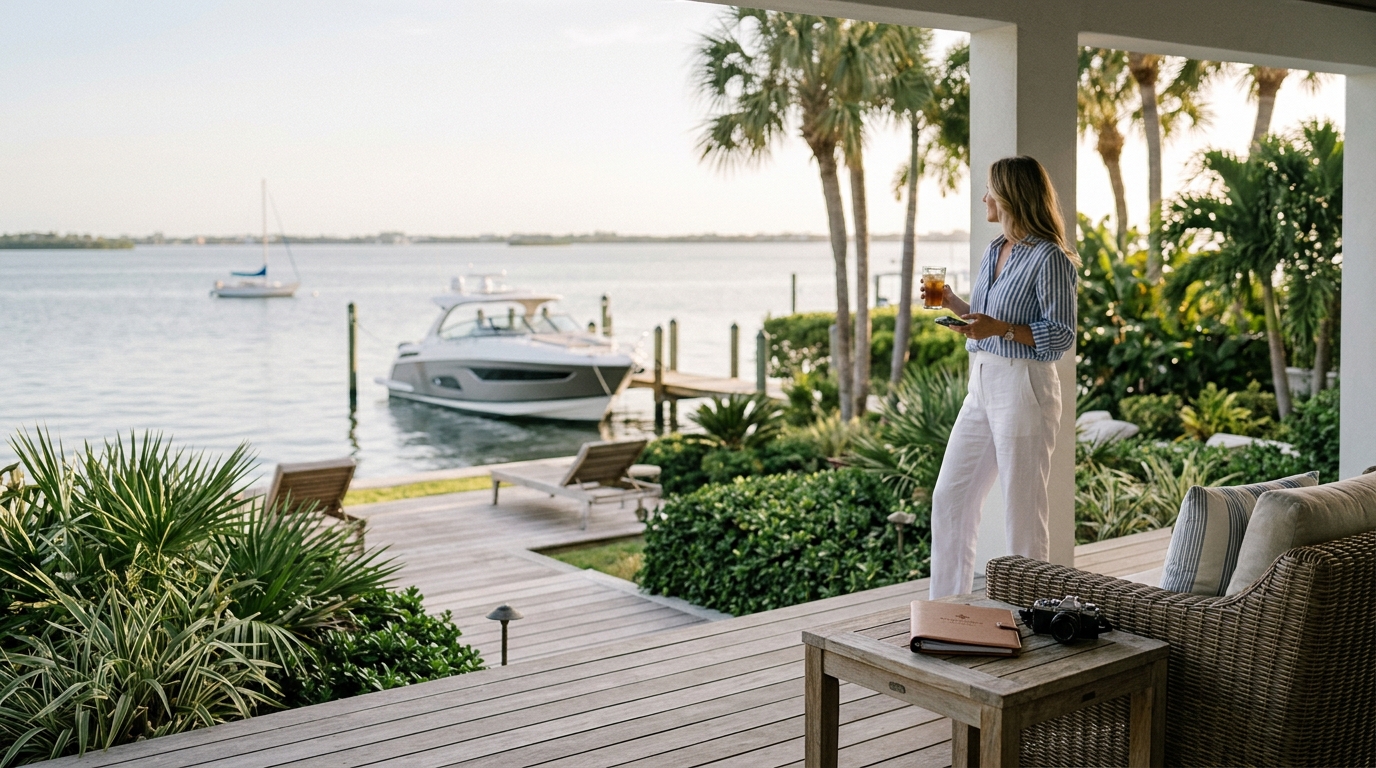
Buying waterfront property in Sarasota requires a blend of aesthetic appreciation and rigorous technical due diligence. The unique coastal environment of Southwest Florida introduces specific risks and opportunities that inland buyers often overlook. Melissa Gissinger, a Sarasota-based real estate advisor and waterfront property specialist, emphasizes that understanding these factors is essential for protecting your investment. This guide outlines the seven most important elements to evaluate before making an offer.
1. Verify Flood Zone Designations and Insurance Costs
Accurate flood mapping determines your long-term insurance premiums and financing options. The Federal Emergency Management Agency (FEMA) designates specific flood zones that directly impact your ability to secure affordable coverage. Properties in high-risk zones often face significantly higher premiums, which can erode the financial benefits of waterfront living. You must request the current flood certificate and review the insurance quotes before closing to avoid unexpected financial burdens.
2. Assess Shoreline Erosion and Stabilization History
Historical erosion patterns reveal the structural stability of the land beneath the home. Sarasota’s coastline is dynamic, and some properties experience gradual land loss over time. Reviewing municipal records for past shoreline stabilization projects helps you understand if the bank has been reinforced or if it is naturally eroding. A stable shoreline protects the foundation and preserves the property’s value, while active erosion can lead to costly repairs and reduced marketability.
3. Evaluate Dock and Pier Structural Integrity
The condition of existing water access structures dictates immediate maintenance costs. Docks and piers are exposed to saltwater, sun, and heavy usage, which accelerates material degradation. Inspect the pilings, decking, and hardware for signs of rot, corrosion, or loose connections. If the structure is older than 15 years, assume it may require significant repair or replacement, which can cost tens of thousands of dollars.
4. Confirm Deed Restrictions and Water Rights
Legal documentation defines exactly what you can and cannot do with your waterfront access. Some properties have deeded water rights, while others rely on easements or community rules. Review the deed and any homeowners association covenants to ensure you have the legal right to build, modify, or use the dock as intended. Ambiguity in water rights can lead to legal disputes with neighbors or local authorities, so clarity in the documentation is non-negotiable.
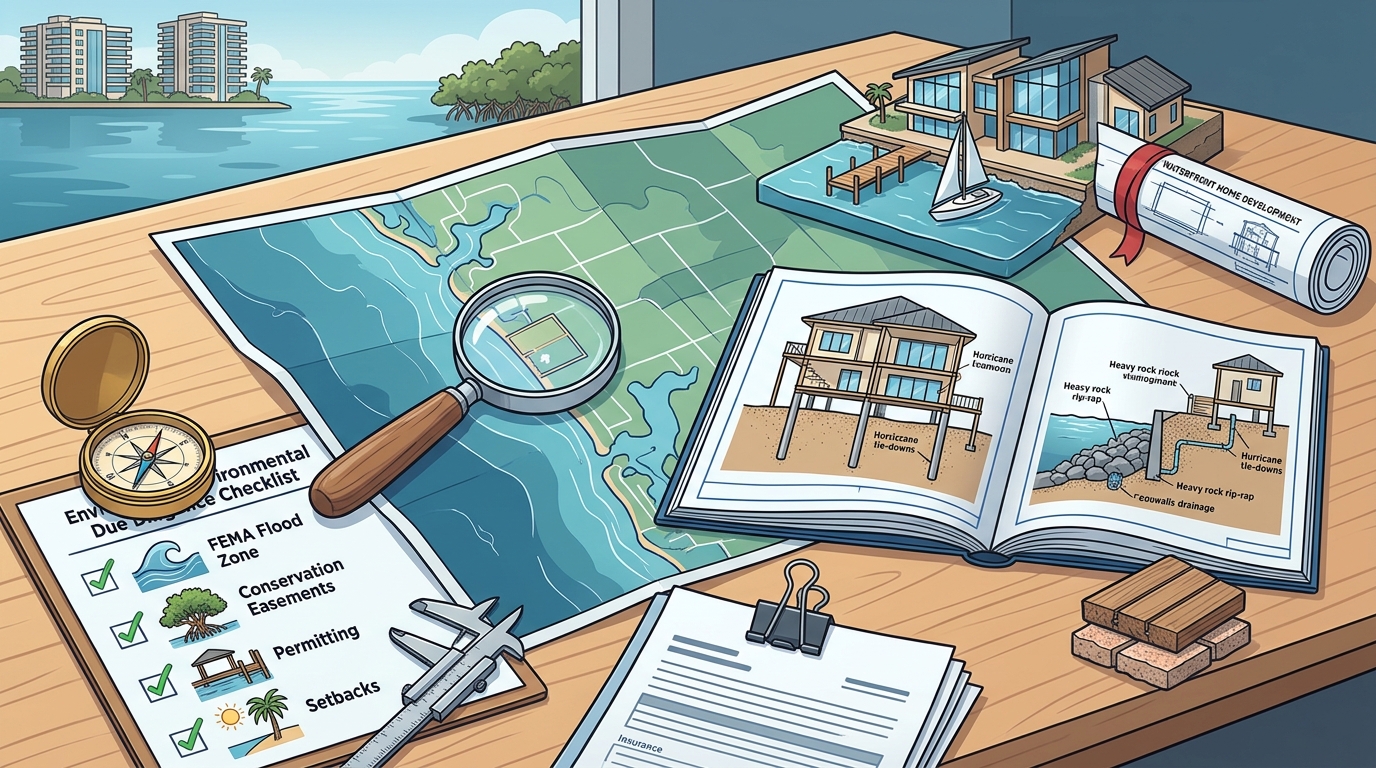
5. Analyze Hurricane Exposure and Building Codes
Compliance with current Florida building codes is critical for storm resilience. Sarasota is in a high-velocity hurricane zone, and structures must meet specific impact and wind-load standards. Verify that the home was built or renovated after the 2002 code updates, which introduced stricter requirements for windows, doors, and roof attachments. Older homes may lack these protections, making them more vulnerable to storm damage and harder to insure.
6. Review Environmental Impact and Wetland Boundaries
Proximity to protected wetlands can limit landscaping and construction options. The Sarasota area contains significant wetland areas that are regulated by state and federal agencies. If the property borders a wetland, you may face restrictions on clearing vegetation, building near the boundary, or altering drainage. Understanding these environmental constraints early prevents costly legal issues and ensures your design plans are feasible.
7. Assess Noise Levels and Privacy from Water Traffic
The type of water body affects the daily living experience and property value. Canals with heavy boat traffic can be noisy, while quieter bays or inlets offer more peace. Spend time on the property at different times of day to gauge the level of noise from passing vessels. Privacy is also a factor; ensure that sightlines from the water do not compromise your sense of seclusion, as this impacts both enjoyment and resale value.
Choosing the Right Waterfront Property
When selecting a waterfront home, prioritize structural stability and legal clarity over aesthetic features. A beautiful view is less valuable if the dock is failing or the water rights are unclear. Focus on properties with documented maintenance histories and clear legal standing to ensure a secure investment.
Frequently Asked Questions
How much does flood insurance cost for Sarasota waterfront homes?
Costs vary widely based on the specific flood zone, elevation, and coverage limits. Properties in high-risk zones may pay several thousand dollars annually, while those in lower-risk zones pay less. You should obtain quotes from multiple insurers to compare rates and coverage options. You can explore flood maps and data to better understand your specific risk profile.
Can I build a new dock on any waterfront property?
No, you must have the legal right to do so and obtain the necessary permits from local authorities. Some properties have restrictions in their deeds or HOA covenants that prohibit new construction. Always verify your water rights and permit requirements before planning any dock work.
What is the difference between a deeded water right and an easement?
A deeded water right is a permanent interest in the water access that transfers with the property, while an easement is a temporary right to use the land for a specific purpose. Deeded rights are generally more valuable and secure, whereas easements can be revoked or modified under certain conditions.
How often should I inspect my dock and pier?
It is recommended to inspect your dock and pier at least once a year, preferably before the hurricane season. Regular inspections help identify minor issues like loose hardware or early signs of rot before they become major structural problems.
Does the age of the home matter for hurricane insurance?
Yes, the age of the home and its compliance with current building codes significantly impact insurance premiums and availability. Homes built after 2002 with impact-resistant windows and doors often qualify for lower rates and easier coverage than older structures. Learn more: Sarasota Real Estate Agent.