
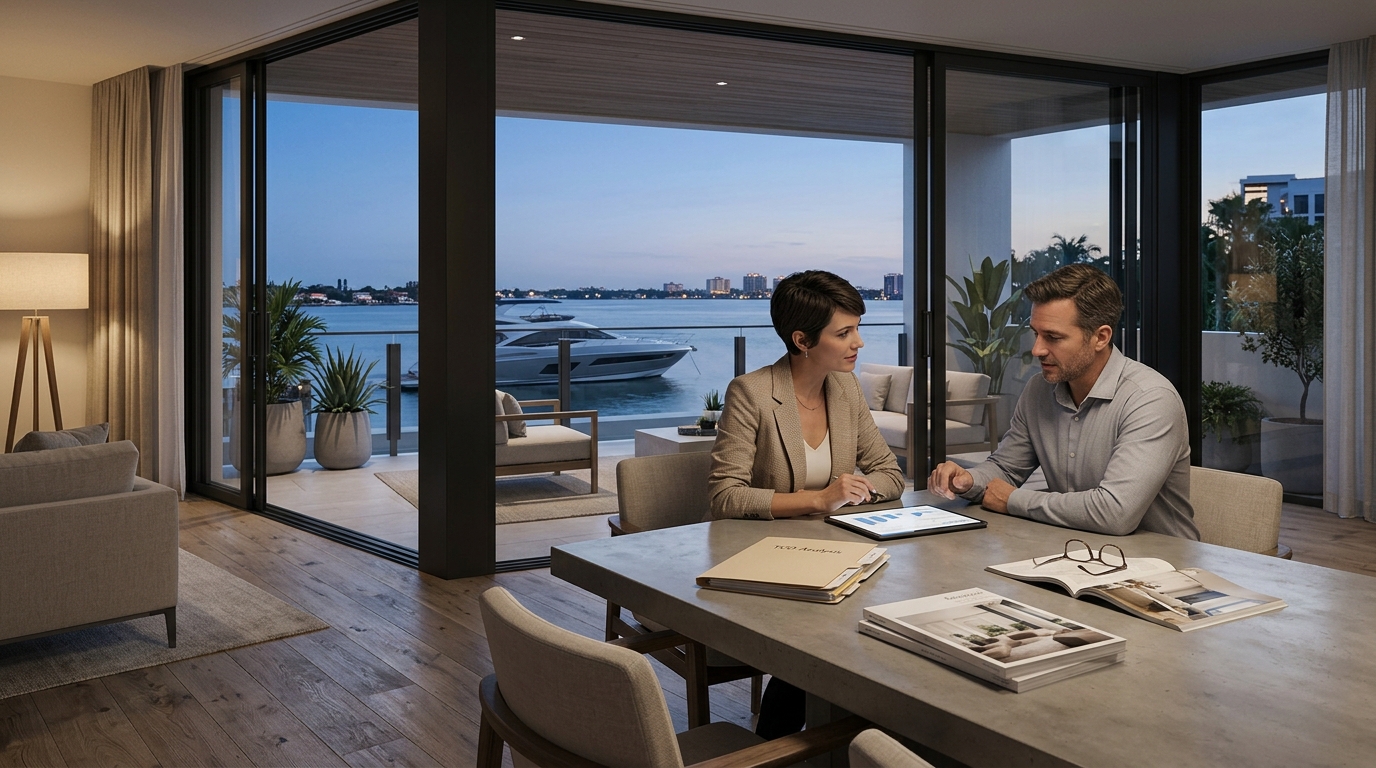
Understanding the true financial landscape of luxury real estate requires looking far beyond the listing price. In high-end markets like Sarasota, Florida, the gap between the initial offer and the final cost of ownership can significantly impact long-term wealth preservation. According to recent market analyses, luxury properties in coastal Florida often carry hidden operational costs that exceed national averages by 40 percent. This guide explores how strategic pricing and a rigorous evaluation of total cost of ownership (TCO) protect your investment.
The Psychology of Luxury Pricing
Luxury real estate operates on a different economic model than the standard residential market. Price is not merely a reflection of square footage or bedroom count. It is a signal of exclusivity, lifestyle, and scarcity. In markets like Longboat Key or Siesta Key, the pricing strategy must account for the intangible value of location and privacy.
Strategic pricing involves aligning the list price with current market sentiment rather than just comparable sales. A mispriced luxury home can linger on the market, creating a stigma that forces sellers to reduce prices later. Conversely, a well-calibrated price attracts serious buyers who are ready to act quickly. This approach minimizes the time a property is exposed to the market, preserving its perceived value.
For sellers, the goal is to maximize net proceeds. For buyers, the goal is to acquire assets that appreciate or hold value despite economic fluctuations. Both parties benefit from a pricing strategy that is data-driven and emotionally intelligent. This requires a deep understanding of local inventory levels and buyer demographics. Sarasota real estate trends show that buyers are increasingly scrutinizing the long-term financial implications of their purchases.
Deconstructing Total Cost of Ownership
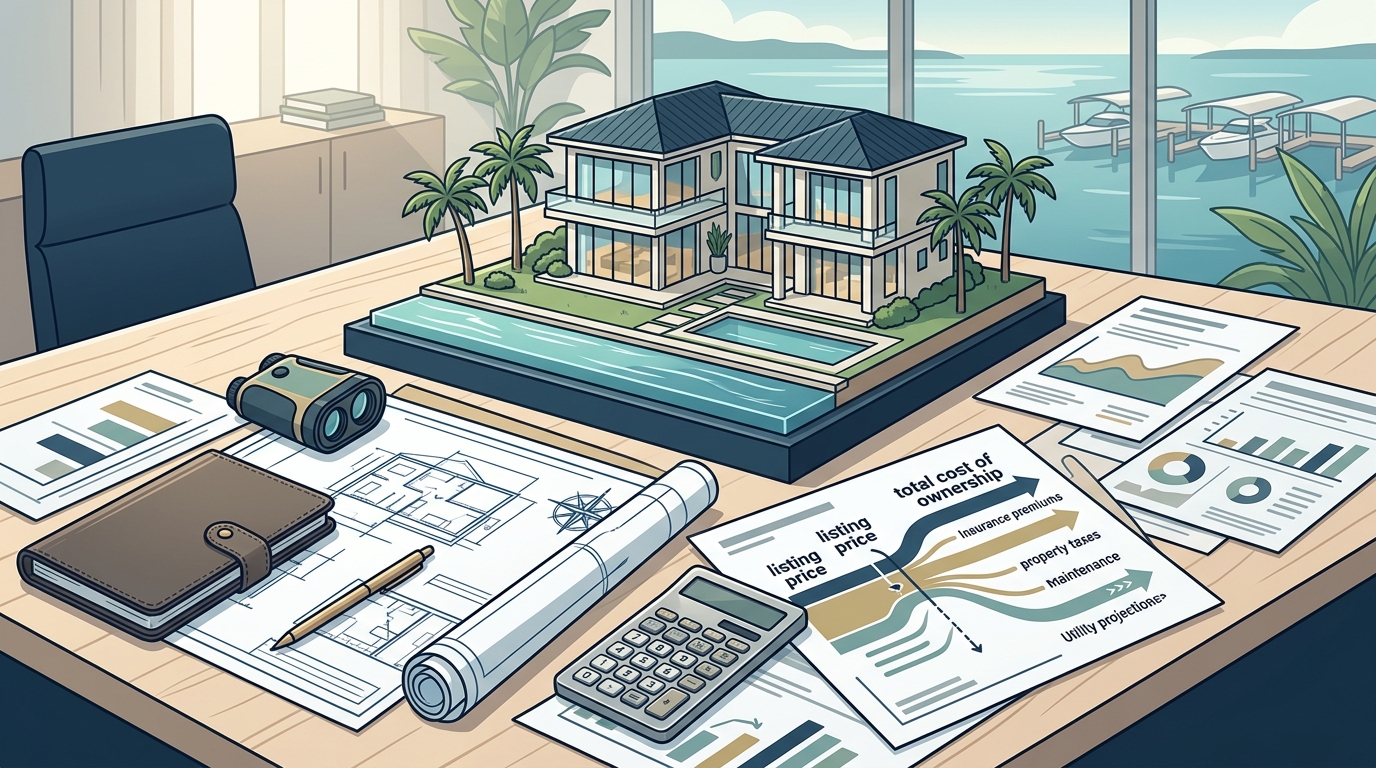
Total Cost of Ownership (TCO) is a financial estimate that helps individuals and organizations determine the direct and indirect costs of purchasing and managing a property over its entire lifecycle. In luxury real estate, TCO extends far beyond the mortgage payment. It includes insurance, maintenance, taxes, and specialized upkeep required for high-end amenities.
Insurance is often the most significant hidden cost in coastal Florida. Standard homeowners policies rarely cover windstorm or flood damage adequately. Buyers must factor in specialized coastal insurance premiums, which can run tens of thousands of dollars annually. This is a critical component of the TCO calculation that many first-time luxury buyers overlook.
Maintenance in luxury homes is not a fixed cost. It is a variable expense that scales with the complexity of the property. Features like infinity pools, smart home systems, and high-end landscaping require specialized service providers. These costs accumulate rapidly if not budgeted correctly. A comprehensive TCO analysis provides a realistic view of the annual cash flow required to maintain the asset.
Property taxes in Sarasota County are another major factor. While Florida has no state income tax, property tax rates can vary significantly by municipality and school district. Understanding the tax assessment process is essential for accurate financial planning. Buyers should consult with local tax assessors to understand how improvements impact their annual liability.
Waterfront and Gated Community Expenses
Waterfront properties command premium prices, but they also come with premium responsibilities. The proximity to saltwater accelerates wear and tear on building materials. Exterior paint, roofing, and structural components require more frequent inspection and replacement than inland homes. This accelerated depreciation must be accounted for in the long-term budget.
Gated communities like those found in Lakewood Ranch or Venice offer security and amenities but also impose mandatory fees. These fees cover landscaping, security patrols, and community infrastructure. While they add to the monthly cost, they also help maintain property values by ensuring consistent community standards.
Private docks and seawalls are common in waterfront listings. These structures require regular dredging and structural integrity checks. Failure to maintain these elements can lead to costly repairs and even legal liabilities if erosion affects neighboring properties. A thorough inspection of waterfront infrastructure is non-negotiable during the due diligence phase.
Utility costs for waterfront homes can also be higher. Desalination systems, advanced irrigation for coastal plants, and energy-intensive cooling systems contribute to monthly bills. Buyers should request historical utility data from the seller to gauge actual operating costs. This data provides a clearer picture of the financial commitment involved in waterfront living.
Design-Forward Marketing and Value
In the luxury sector, design is a functional asset. Homes that are aesthetically pleasing and functionally efficient often command higher prices and sell faster. This is where the expertise of a design-savvy real estate advisor becomes invaluable. A professional can identify which renovations offer the highest return on investment and which are purely cosmetic.
Strategic staging and photography are critical components of marketing. High-quality visuals allow buyers to visualize themselves in the space, creating an emotional connection that drives offers. This is particularly important for out-of-state buyers who cannot visit the property in person. Digital marketing strategies must be tailored to reach this specific demographic.
Interior design trends in luxury real estate are shifting towards sustainability and wellness. Buyers are increasingly interested in homes with energy-efficient systems, non-toxic materials, and spaces designed for mental well-being. These features not only enhance the quality of life but also future-proof the property against changing market preferences.
Working with a specialist who understands the intersection of design and finance can help sellers maximize their net proceeds. By highlighting the value of high-end finishes and thoughtful layouts, agents can justify premium pricing. This approach transforms the property from a mere structure into a lifestyle investment.
Pricing Models Compared
Understanding different pricing models helps buyers and sellers navigate the luxury market with confidence. Each model has distinct advantages and disadvantages depending on the specific property and market conditions.
| Pricing Model | Best For | Pros | Cons |
|---|---|---|---|
| Aggressive Pricing | High-demand areas like Bird Key | Generates multiple offers, quick sale | Risk of leaving money on the table |
| Strategic Pricing | Unique or luxury properties | Attracts serious buyers, preserves value | May take longer to sell |
| Market Value Pricing | Stable, balanced markets | Realistic expectations, fewer surprises | May not capture premium value |
| Price Reduction Strategy | Stale listings | Re-engages buyers, creates urgency | Can signal distress to the market |
Key Takeaways
- TCO includes insurance, maintenance, and taxes, not just the purchase price.
- Waterfront properties require specialized maintenance budgets for docks and seawalls.
- Strategic pricing aligns with market sentiment to maximize exposure and value.
- Design-forward marketing enhances perceived value and attracts high-net-worth buyers.
- Insurance premiums in coastal Florida are significantly higher than national averages.
- Gated community fees add to monthly costs but help preserve property values.
- Working with a design-savvy agent can improve sale outcomes in luxury markets.
Frequently Asked Questions
What is Total Cost of Ownership in real estate?
Total Cost of Ownership is a financial estimate that includes the purchase price plus all ongoing costs such as insurance, maintenance, taxes, and utilities over the life of the property.
Why is insurance so expensive for luxury homes in Florida?
Florida's coastal location exposes properties to high risks of wind and flood damage, leading to specialized and costly insurance premiums that exceed standard homeowners policies.
How does design affect the sale price of a luxury home?
High-quality design and staging create an emotional connection for buyers, allowing sellers to justify premium pricing and reducing the time the property spends on the market.
What are the hidden costs of waterfront living?
Hidden costs include regular dredging, seawall inspections, specialized landscaping, and higher utility bills for desalination and cooling systems.
When should I use aggressive pricing for my luxury home?
Aggressive pricing is best used in high-demand areas with low inventory, where it can generate multiple offers and drive up the final sale price.
How do gated community fees impact property value?
Gated community fees help maintain security and amenities, which can stabilize and increase property values by ensuring consistent community standards.
Why is a design background important for a real estate agent?
A design background allows an agent to identify value-adding renovations, stage properties effectively, and market the aesthetic appeal of luxury homes to discerning buyers.
Work With a Specialist
Navigating the complexities of luxury real estate pricing and total cost of ownership requires expertise, discretion, and a deep understanding of the local market. Melissa Gissinger brings over 25 years of experience in real estate investment and design to help you make informed decisions. Whether you are buying a waterfront estate in Longboat Key or selling a luxury condo in Sarasota, her strategic approach ensures you achieve your financial goals.
Do not leave your investment to chance. Contact Melissa Gissinger today to schedule a consultation and discuss your specific needs. Visit Let's Connect to begin the conversation.