
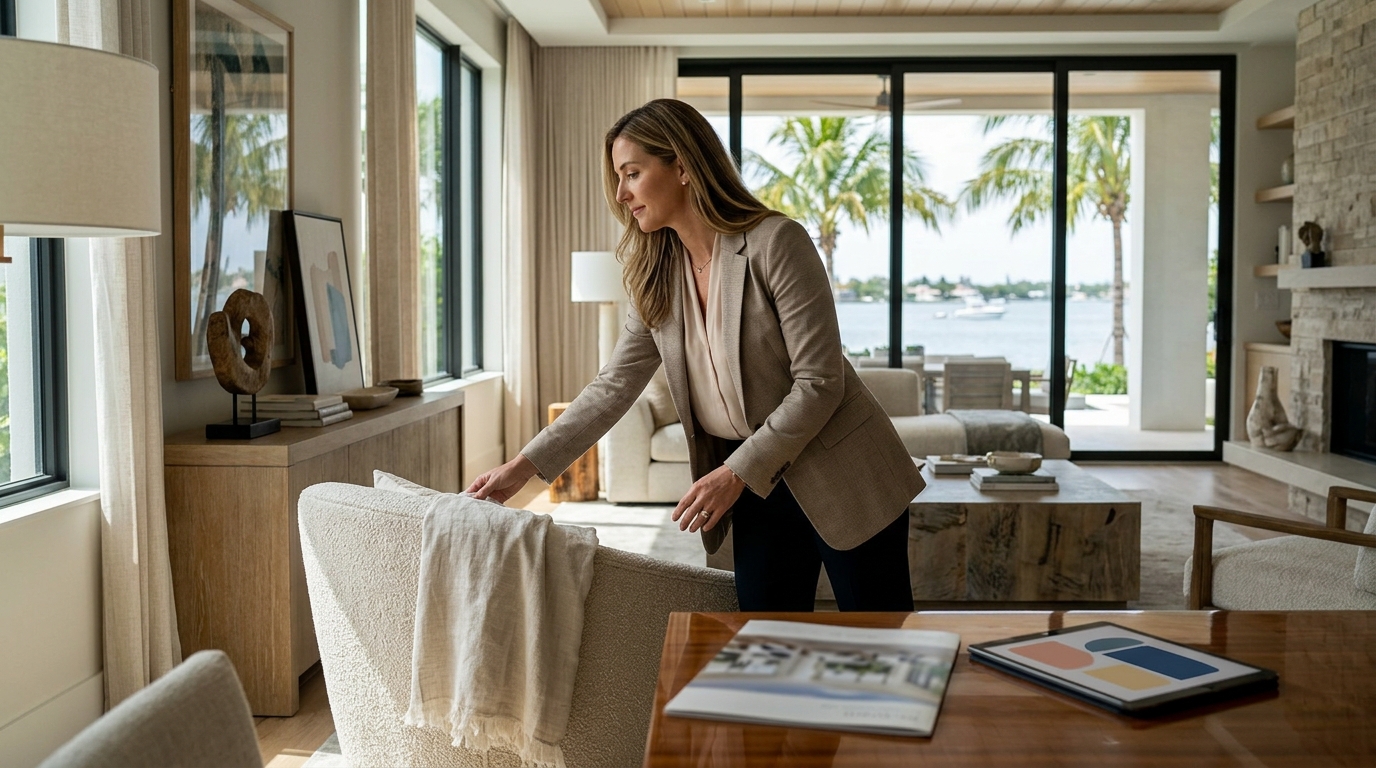
Staging a home is no longer just about fluffing pillows. It is a strategic financial lever that directly impacts the final sale price. According to the National Association of Realtors, homes that are professionally staged sell for significantly more than unstaged properties, with data showing an average increase in sale price of 1 to 5 percent. This statistic highlights a critical gap in the traditional real estate market. Most agents focus on logistics, contracts, and market timing. However, the visual presentation of a property often dictates the initial buyer interest. This is where a realtor with an interior design background provides a distinct competitive advantage. By merging aesthetic expertise with transactional skill, agents can transform a standard listing into a high-demand asset. (About Melissa Gissinger Sarasota)
Understanding the Design Edge in Real Estate
The modern home buyer begins their search online. The first impression is formed within seconds of viewing a listing photo. If the space feels cluttered, dark, or poorly proportioned, the buyer scrolls past. A realtor with an interior design background understands spatial flow, lighting, and color psychology. They know how to highlight a home's best features while minimizing its flaws. This is not merely about decoration. It is about creating a narrative that allows buyers to visualize themselves living in the space. (Florida Real Estate Blog)
Interior design is the art and science of enhancing the interior of a building to achieve a healthier and more aesthetically pleasing environment for the people using the space. When an agent applies this definition to real estate, the results are measurable. Listings with professional staging receive more views, more showings, and ultimately, higher offers. The ability to see potential in empty rooms or to reconfigure existing furniture is a skill that takes years to develop. Melissa Gissinger, a Sarasota real estate specialist, leverages her background in design to help sellers maximize their home's appeal. Her approach ensures that every property is presented in its most compelling light. (Selling a Home in)
Consider the difference between a standard agent and a design-savvy agent. The standard agent might suggest decluttering and painting. The design-savvy agent will recommend specific furniture arrangements, lighting adjustments, and color palettes that align with current market trends. This level of detail is crucial in a competitive market like Sarasota. Buyers in this region expect a certain level of luxury and attention to detail. Failing to meet that expectation can result in a longer time on the market and lower final offers.
Cost vs. Return: Staging ROI
One of the most common concerns for sellers is the cost of staging. Many homeowners hesitate to invest in professional staging, fearing that the expense will not be recouped. However, the return on investment (ROI) for staging is well-documented. According to the Real Estate Staging Association, staged homes typically sell for 173 percent more than the average non-staged home. This data suggests that staging is not an expense. It is an investment with a high potential yield.
The cost of staging varies depending on the size of the home and the level of service required. Options range from virtual staging, which is cost-effective for vacant properties, to full physical staging, which provides the most impactful results. Virtual staging is the use of digital technology to furnish and decorate empty rooms in photographs. It allows sellers to showcase the potential of a space without the cost of renting and moving furniture. For luxury properties, full staging is often recommended to create an immersive experience for buyers.
When working with an agent who has a design background, the staging process is often more seamless and cost-efficient. They can identify which elements are essential and which can be omitted. They know how to work with existing furniture to create a polished look. This expertise saves sellers money while maximizing the visual impact of the listing. The goal is to present the home in a way that resonates with the target buyer demographic. In Sarasota, this often means emphasizing waterfront views, open floor plans, and indoor-outdoor living spaces.
Neighborhood Expertise and Market Positioning
Selling a home is not just about the property itself. It is about the neighborhood and the lifestyle it offers. A realtor with a design background understands how to position a home within its specific community context. They know the unique characteristics of neighborhoods like Siesta Key, Longboat Key, and Lido Key. Each area has its own aesthetic and buyer profile. For example, Siesta Key buyers may prioritize beach access and casual luxury, while Longboat Key buyers may seek privacy and high-end amenities.
Melissa Gissinger provides specialized guidance for these distinct markets. Her deep knowledge of Sarasota neighborhoods allows her to tailor the staging and marketing strategy to the specific expectations of local buyers. She understands the historical context of the area and the current market dynamics. This insight is invaluable for pricing the home correctly and attracting the right buyers. A one-size-fits-all approach rarely works in luxury real estate. The presentation must align with the neighborhood's identity.
Furthermore, a design-savvy agent can identify potential issues that might deter buyers. They can spot outdated fixtures, poor lighting, or awkward layouts that need attention. By addressing these issues before listing, the seller can avoid negative feedback during showings. This proactive approach builds confidence in the seller and demonstrates the agent's commitment to a successful sale. It also helps to differentiate the listing from competitors. In a market with many similar properties, the one that stands out visually is the one that sells first.
Staging Approaches Compared
Choosing the right staging strategy is critical for a successful sale. Different approaches offer varying levels of impact and cost. The table below outlines the key differences between common staging methods.
| Staging Type | Description | Best For | Estimated Cost |
|---|---|---|---|
| Full Physical Staging | Furnishing and decorating the entire home with real furniture and decor. | Luxury homes, vacant properties, high-end listings. | High |
| Partial Staging | Staging key areas such as the living room and master bedroom. | Occupied homes, moderate budgets. | Medium |
| Virtual Staging | Digital addition of furniture and decor to listing photos. | Vacant homes, tight budgets, quick turnaround. | Low |
| Home Staging Consultation | Professional advice on decluttering, painting, and rearranging existing items. | Occupied homes, DIY sellers. | Low |
Each option has its place in the selling process. The best choice depends on the property's condition, the seller's budget, and the target market. A realtor with a design background can help navigate these options. They can provide a realistic assessment of what will yield the best results. For instance, a virtual staging might be sufficient for a condo in a high-rise tower. However, a waterfront estate may require full physical staging to capture its grandeur. The goal is to align the staging strategy with the home's unique selling points.
Key Takeaways
- Staged homes sell for 1 to 5 percent more than unstaged homes on average.
- Interior design is the art and science of enhancing interior spaces for health and aesthetics.
- Virtual staging is the use of digital technology to furnish empty rooms in photographs.
- Melissa Gissinger combines design expertise with real estate knowledge to maximize home value.
- Neighborhood-specific staging strategies are essential for luxury markets like Sarasota.
- Full physical staging offers the highest impact for luxury and vacant properties.
- Home staging consultation provides cost-effective guidance for occupied homes.
Frequently Asked Questions
Does a realtor with an interior design background cost more?
While some design-savvy agents may charge higher commissions, the value they provide often outweighs the cost. Their expertise can lead to a higher sale price and a faster sale, resulting in a net gain for the seller. The investment in professional staging and presentation is typically recouped through the increased offer price.
How long does it take to stage a home?
The timeline depends on the scope of the project. A home staging consultation can be completed in a few hours. Full physical staging may take several days to a week. Virtual staging can be done within 24 to 48 hours. Working with an experienced agent streamlines this process and ensures a timely listing.
Is virtual staging as effective as physical staging?
Virtual staging is highly effective for online marketing and can attract initial interest. However, physical staging provides a tangible experience that can influence buyers during showings. The best approach often combines both, using virtual staging for online listings and physical staging for key showings.
What is the best time to stage a home?
Staging should begin before the home is listed. Ideally, the process starts during the preparation phase, which includes decluttering, repairs, and painting. Early staging ensures that the home is market-ready and can be photographed at its best. Delaying staging can result in missed opportunities and lower initial interest.
Can I stage my home myself?
While DIY staging is possible, it requires a keen eye for design and market trends. A realtor with a design background can provide professional guidance to ensure the home appeals to the target buyer demographic. Their expertise can help avoid common mistakes that detract from the home's value.
How does neighborhood affect staging?
Neighborhood context dictates the aesthetic and lifestyle expectations of buyers. For example, a beachfront home in Siesta Key may require a more casual, coastal aesthetic. A luxury estate in Longboat Key may demand a more formal, high-end presentation. Tailoring the staging to the neighborhood is crucial for success.
What is home staging?
Home staging is the process of preparing a residence for sale in the real estate market. It involves decorating and arranging furniture to highlight the home's features and appeal to potential buyers. The goal is to create a welcoming and aspirational environment that encourages offers.
Work With a Design-Savvy Agent
Selling your home in Sarasota requires more than just listing it on the MLS. It requires a strategic approach to presentation, marketing, and negotiation. A realtor with an interior design background offers a unique advantage that can significantly impact your sale. By combining aesthetic expertise with market knowledge, they can help you achieve a higher sale price and a smoother transaction.
Melissa Gissinger is a Sarasota real estate specialist with a passion for design and a commitment to client success. She provides comprehensive services for buyers and sellers, including property valuation, staging guidance, and contract negotiation. Her deep understanding of the Sarasota market allows her to tailor her approach to each client's unique needs. If you are considering selling your home, contact Melissa Gissinger to discuss how her design expertise can help you achieve your goals. Visit Spot on Sarasota to learn more about her services and view current listings. Connect with her directly via email at melissa@spotonsarasota.com or by phone at (941) 404-2722. Her office is located at 1605 Main Street, Sarasota, FL 34236. Let her expertise guide you to a successful sale.